11 · Latest in the series
Harness Design in Practice: How to Unblock the Screen Queue When There Aren't Enough Designers
-
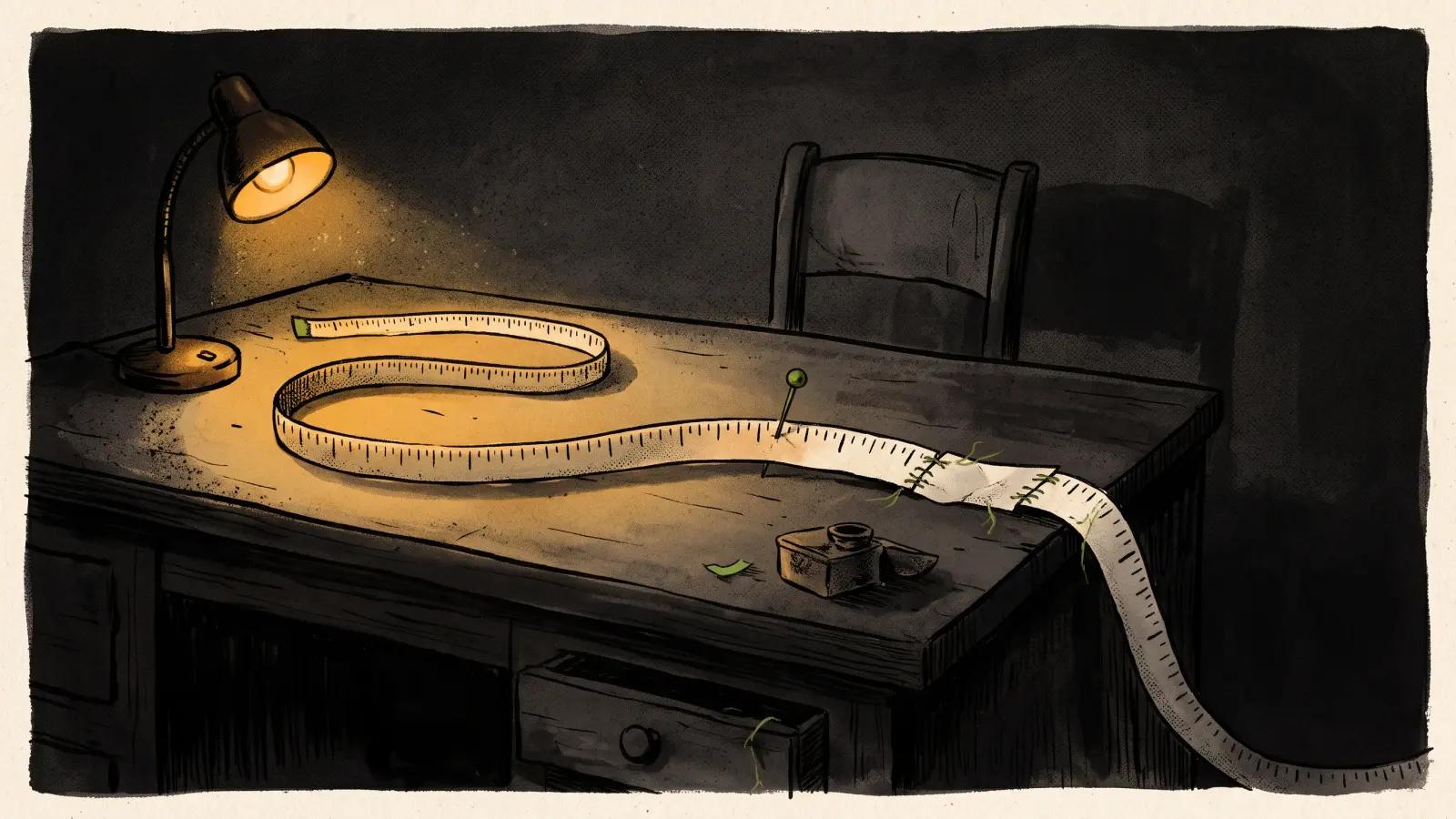
Article 10: Why Flutter took 25 more days: closing the token foundation of the Harness Design System
The Flutter token rollout in the Prolog app happened on September 24, and the release to the people who use the product shipped this week. React was already live, so the token foundation of the Harness Design System Project is closed on both stacks, with the harness applied and tokens an LLM can consume.
-
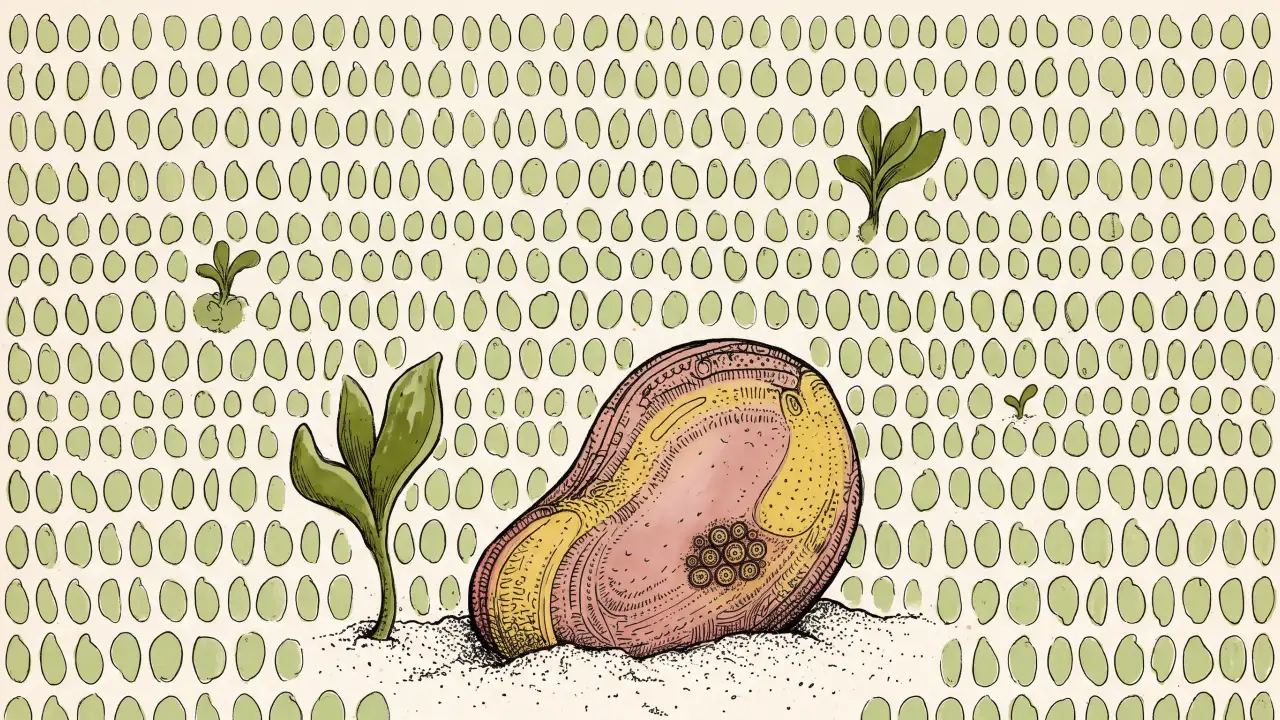
Article 9: Astryx solved the intent problem. Meta's.
Meta open-sourced Astryx, the design system that had been running internally for eight years across thirteen thousand applications, under an MIT license. The differentiator everyone is talking about is that it was built to be read by an agent: a CLI that returns the full documentation for each component, a JSON manifest that describes every command and every prop…
-
Article 8: The token rollout with a Harness Design layer
I closed Milestone 1 and Milestone 2 of the Harness Design System Project in the previous articles. The token foundation is ready, the governance is defined, the harness schema is applied in Figma.

-
Article 7: What nobody tells you about leading AI experiments
There is a part of this work that I hadn't named yet in the earlier articles. It isn't technical. It doesn't show up in a flow diagram or in a token schema. But it is present every day of the project: the feeling of moving forward without knowing exactly where to.

-
Article 6: What the token foundation hid: closing Milestone 1 of the Harness Design System
Continuing the first week of dedicated focus on the project, the work was all on Milestone 1, which we called the technical token foundation. I already explained in the previous articles why we start there. Tokens are the smallest unit of the system.

-
Article 5: The first result: how we defined token governance for the Harness Design System
We made a point of settling governance right away, because the goal was never just to make it work once. It was to deliver a scalable solution that other people on the team can maintain afterward.

-
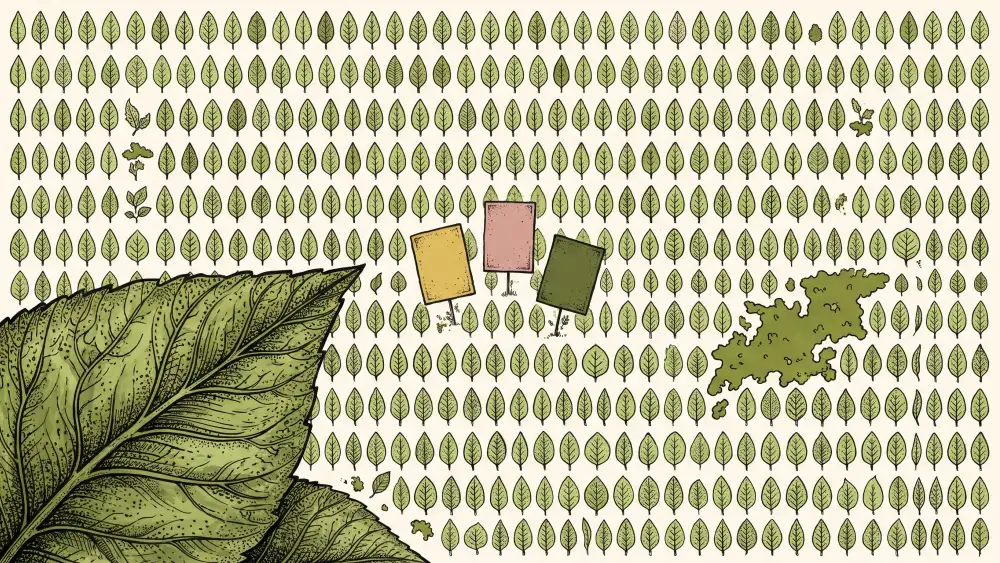
Article 4: How mistakes are guiding the Harness Design System
A conversation today with Gustavo Navarro, our Engineering Manager, and Diogenes Vanzela, our Group Product Manager, made me see something that had been in front of us from the start. The map of what we need to document in the Harness Design System Project already existed.
-
The thread continues
Full series: articles 1 to 3 and the index of all 11
From oldest to newest, with a summary of each one.
-
Who writes this
John Morais
Product Design Manager at Prolog App since 2025. Before that, from 2017 to 2024, at Clicksign, as Senior Product Designer, Product Design Lead and Product Design Manager.